odp
169 to 192 of 294 locations
-
Fort Blauwkapel
Fort Blauwkapel
3566 MK Utrecht -
Fort at 't Hemeltje
Fort at 't Hemeltje
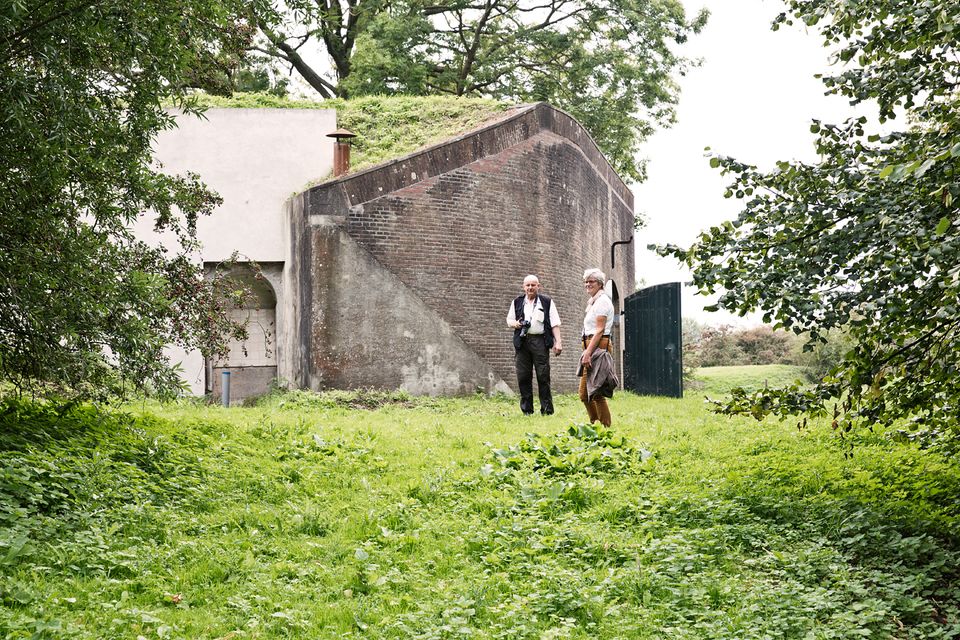
Fort 't Hemeltje dates from 1877-1881 and is the last built fort of the New Dutch Waterline. It defended a strip of land that could not be flooded and the 's-Hertogenbosch-Utrecht railway line. Nowadays, Fort bij 't Hemeltje is largely used as office space for various entrepreneurs who are active in the field of sustainability. The fort also offers shelter to (breeding) birds and bats.
There is a walking route around the fort and there is an exciting spy route with fun assignments for children. In addition, the fort is regularly open to the public, for example during Open Heritage Days.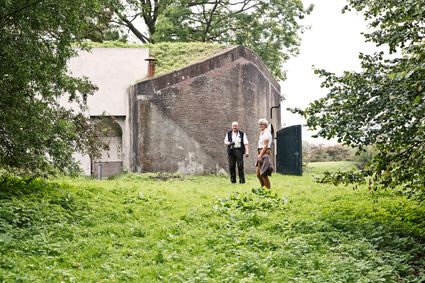
3992 LX Houten -
-
Fort Lunet aan de Snel
Fort Lunet aan de Snel
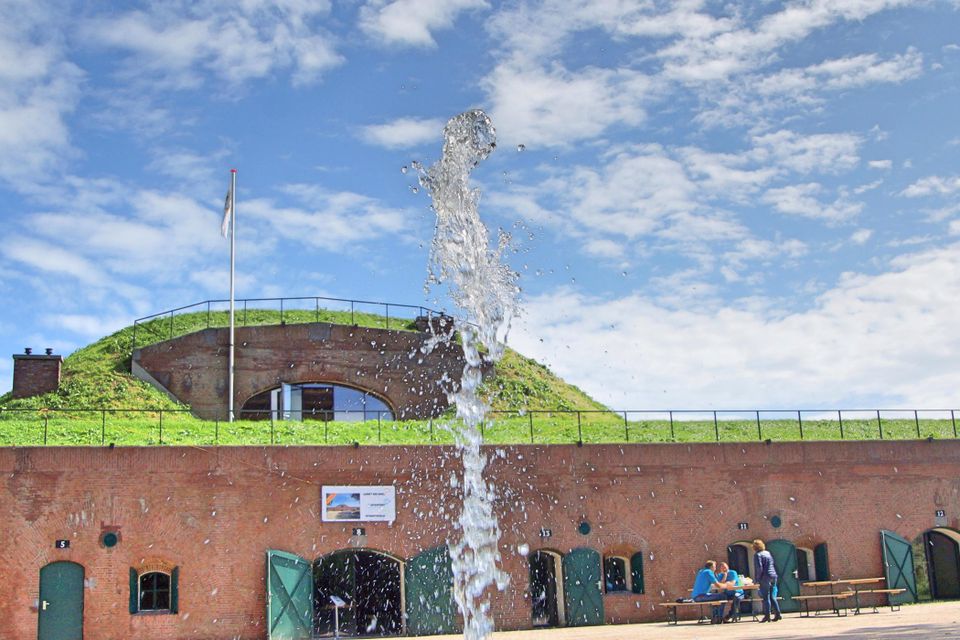
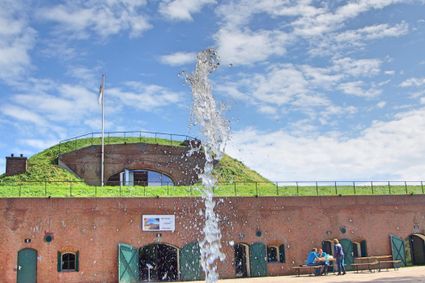
Somewhat hidden in the woods along Gedekte Gemeenschapsweg between Fort Honswijk and Werk aan de Korte Uitweg is the small but atmospheric Lunet aan de Snel. The earthen rampart allowed defenders to repel an attack on Fort Honswijk from the north-east. In addition, its guns covered parts of the Lekdijk – something that could not be achieved from Fort Honswijk.
These days, the fort houses an exhibition that illustrates the key role that water plays in our community and its unique properties.
3998 NJ Schalkwijk -
-
Molen de Windhond
Molen de Windhond
3447 GR Woerden -
Geerestein estate
Geerestein estate
3931 JB Woudenberg -
Naarden Vesting
Naarden Vesting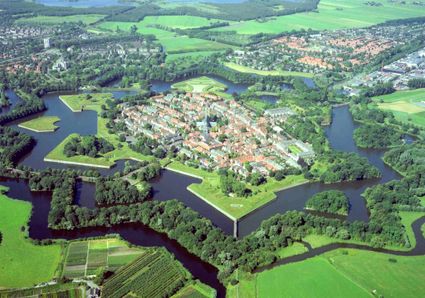
Ruijsdaelplein 10
1411 EA Naarden-Vesting -
TOP De Dennen
TOP De Dennen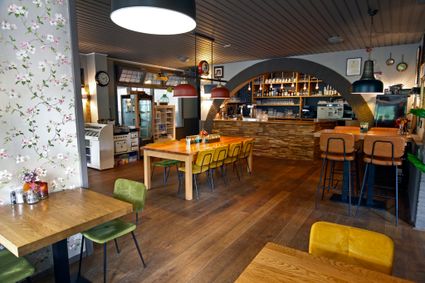
3927AW Renswoude -
Recreatieboerderij De Kleine Weide
Recreatieboerderij De Kleine Weide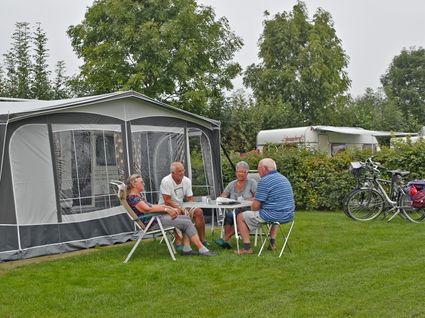
3927 CV Renswoude -
Molen Rijn en Lek
Molen Rijn en Lek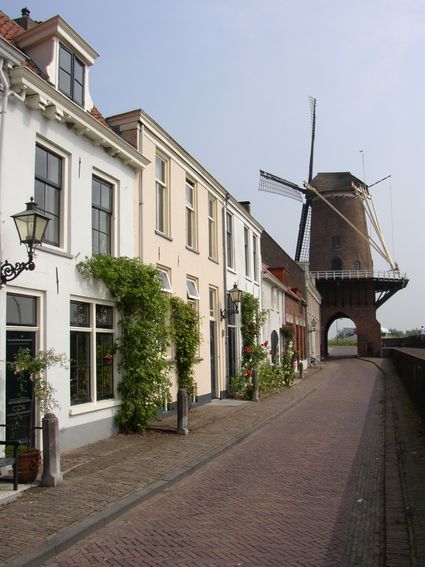
Dijkstraat 23
3961 AA Wijk bij Duurstede -
Diefdijk
Diefdijk
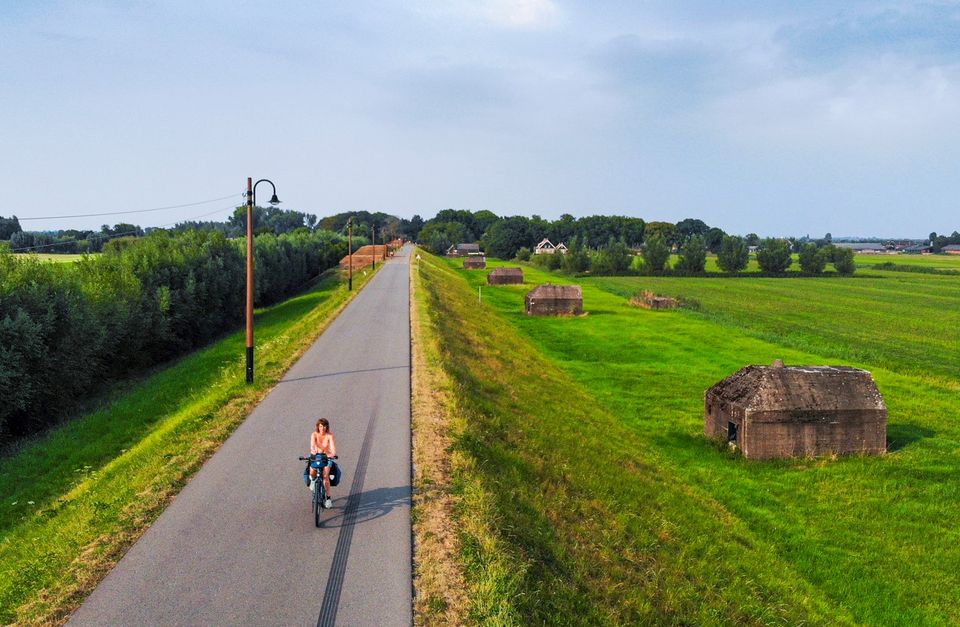
This centuries-old long dyke marks the border between the Betuwe to the east and the lowlands to the west. The purpose of the Diefdijk was to protect the lower-lying meadows whenever the higher Betuwe flooded. The dyke was reinforced in 2015 and still serves its purpose today. It was also part of the New Dutch Waterline: the area to the east of the dyke served as an inundation area. To this day, this area remains scarcely built up. Nature reserves of various sizes border the dyke on either side.

Diefdijk
4143 MG Leerdam -
-
Hotel Landgoed Zonheuvel****
Hotel Landgoed Zonheuvel****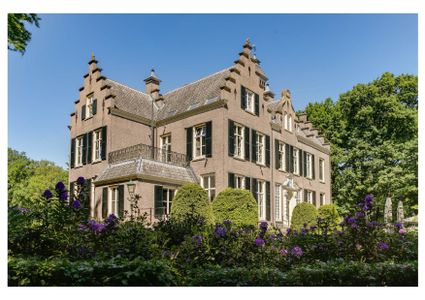
3941 EP Doorn -
Groene Entree & recreatie Doornse Gat
Groene Entree & recreatie Doornse Gat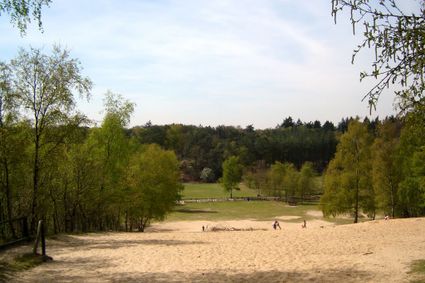
3941 MN DOORN -
Canals and shipyards
Canals and shipyards
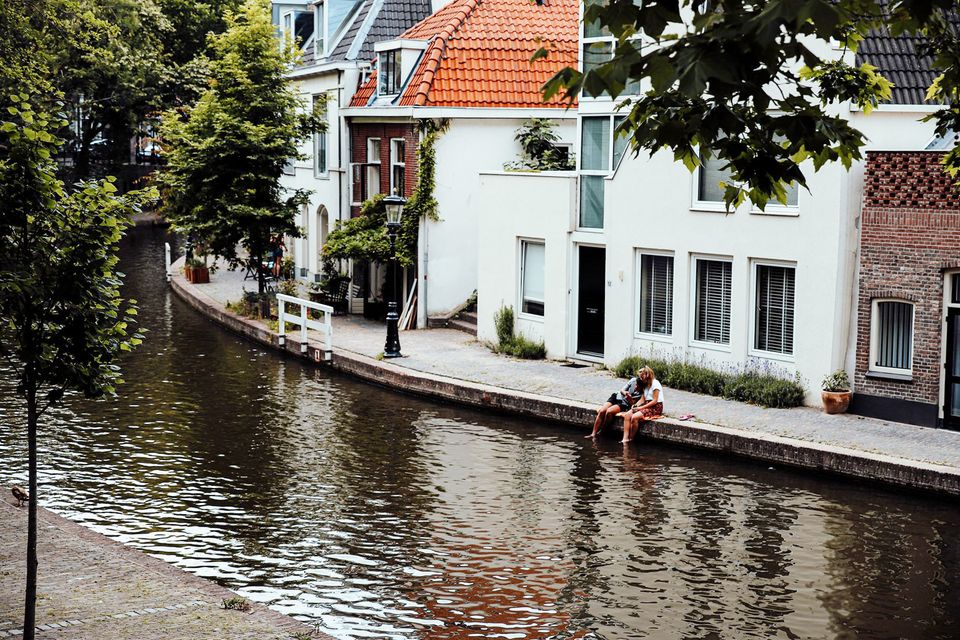
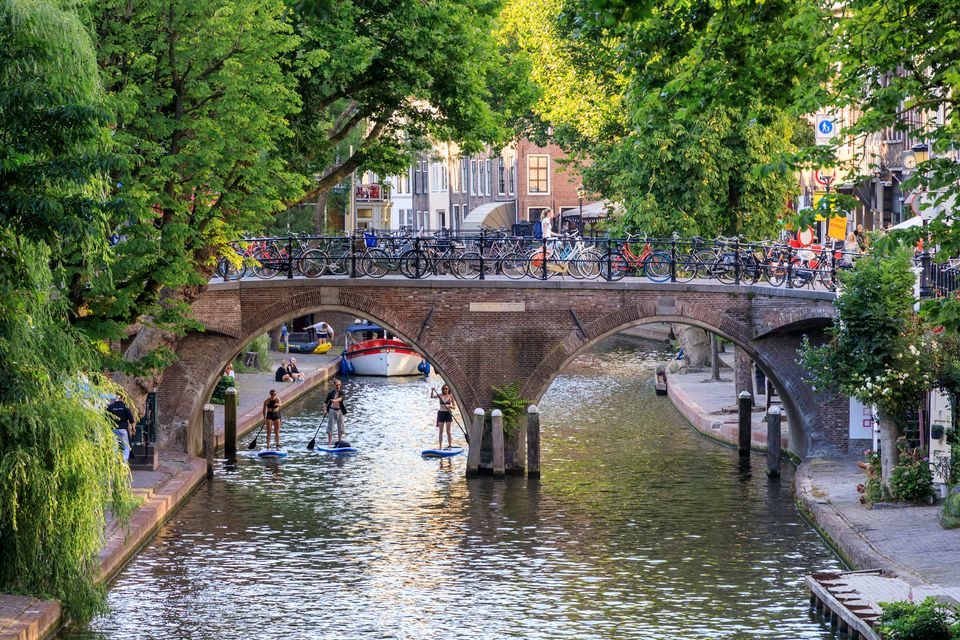
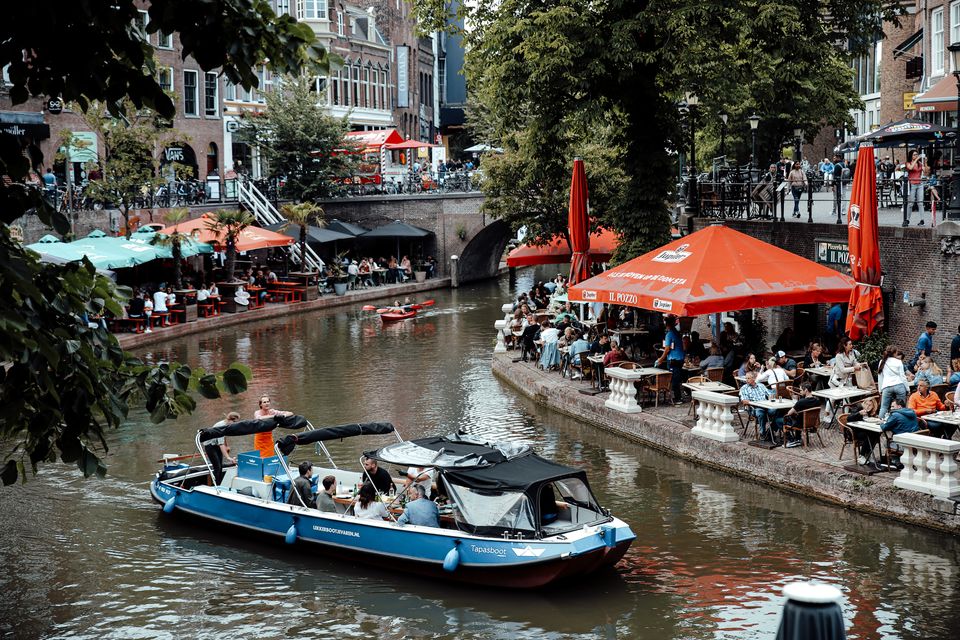
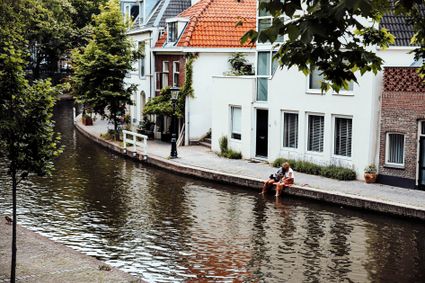
The Utrecht canals with their wharves and wharf cellars are unique in the world.
The 12th Century Oudegracht was built to change the course of the Oude Rijn river. Connecting the river Vecht in the north to the Vaartsche Rijn in the south, the Oudegracht was destined to become an elongated harbour. Large city castles were built along the canal and in the 13th Century, shipyards were built as second streets at water level. The deep cellars, serving as storage spaces, ran through to below the houses. Today, the canals and shipyards are home to shops, restaurants and private residences.
3511 AZ Utrecht -
-
Fort Nigtevecht
Fort Nigtevecht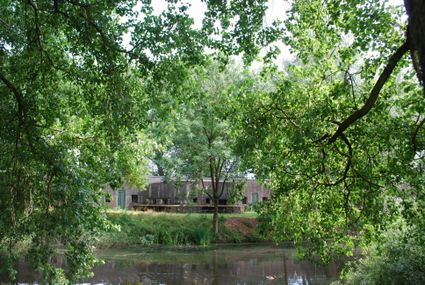
Velterslaan 1
1391 HV Abcoude -
Museum Bunker Leusden
Museum Bunker Leusden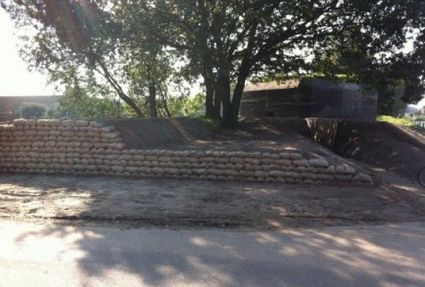
3831 RZ Leusden -
De Hooge Vuursche Castle
De Hooge Vuursche Castle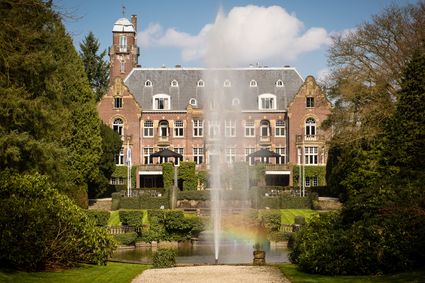
3744 KC Baarn -
Prattenburg Estate
Prattenburg Estate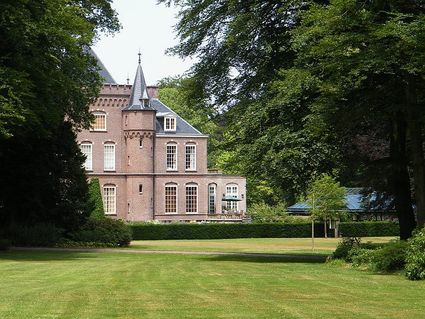
3911 RW Rhenen -
Soestdijk Palace
Soestdijk Palace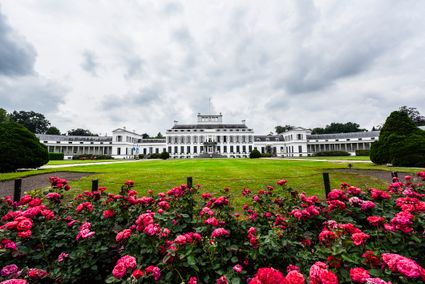
3744 AA Baarn -
Batteries on the Karnemelksloot
Batteries on the Karnemelksloot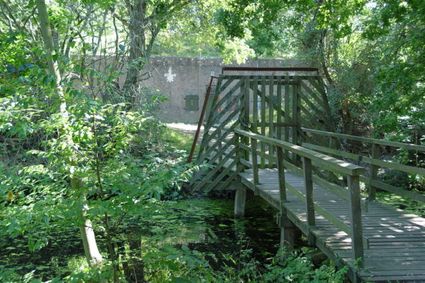
Verlengde Fortlaan 116
1411 EA Naarden -
TOP trainstation Driebergen-Zeist
TOP trainstation Driebergen-Zeist
Stationsplein, Driebergen
3972 NG Driebergen Rijsenburg -
Stayokay Utrecht Centrum
Stayokay Utrecht Centrum
3512 AD Utrecht -
Fort Werk aan de Groeneweg
Fort Werk aan de Groeneweg
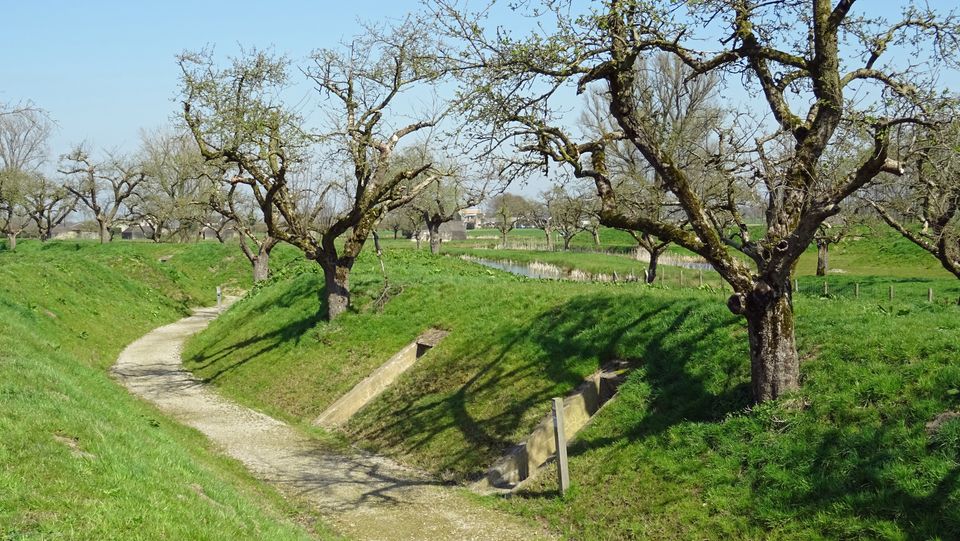
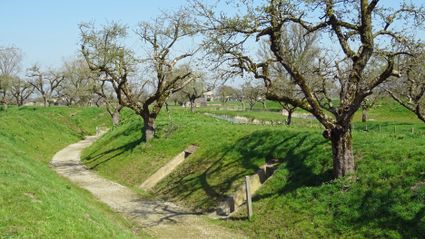
Walking through the historic trenches of Werk aan de Groeneweg is like a walk back in time. The defence structure still has its original configuration. The infantry set-up in World War One consisted of a double trench with earthen walls, 55 group shelters and lovely fruit trees.
The grounds are a fantastic playground for children. You can have a great time here roaming around, crawling through a trench, playing hide and seek and participating in an exciting search and experience walk of about 2 km, with soldier Vendrik as your guide.
3998 Schalkwijk -
-
Speelbos (forest playground) Nieuw Wulven
Speelbos (forest playground) Nieuw Wulven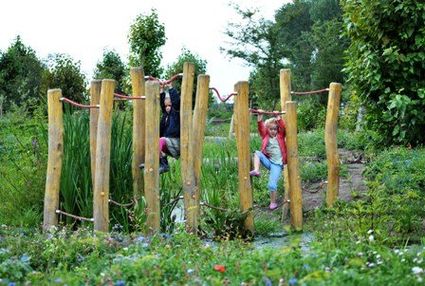
Binnenweg 26
3994 AN Houten -
VVV agentschap Breukelen
VVV agentschap Breukelen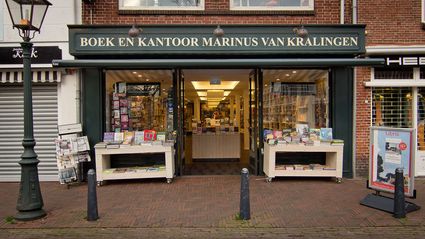
Herenstraat 4
3621 AR Breukelen